"An artisan is a skilled worker who uses tools, machinery, and raw materials for the production or transformation of certain objects or foods. Before the industrial revolution, all production was entrusted to them."
Green coffee selection

The work of artisan roasting obviously begins with the selection of green coffee: the unique characteristics determined by the varietal, soil, and climate, the care and attention paid by the farmer before and during harvesting and subsequent processing, packaging, and shipping. Coffees from the same country, the same region, and even the same farm can have different results and characteristics in the cup if even one of the aforementioned factors changes.
Roasting

The best artisan roasters select specific batches from each producer, purchasing samples for testing (pre-shipment samples) and only subsequently the full supply.
In light of this, it is easy to understand that artisan coffees begin the roasting phase with a better quality base than most industrial roasteries. This is a necessary but not sufficient condition to obtain a superior cup, as these potentials still need to be "unlocked" through a series of chemical reactions (Maillard and Caramelization reactions) that occur during roasting. A roaster dedicated to their work has spent years trying to best develop the characteristics of each coffee, and only experience, study, and experimentation can play a fundamental role.
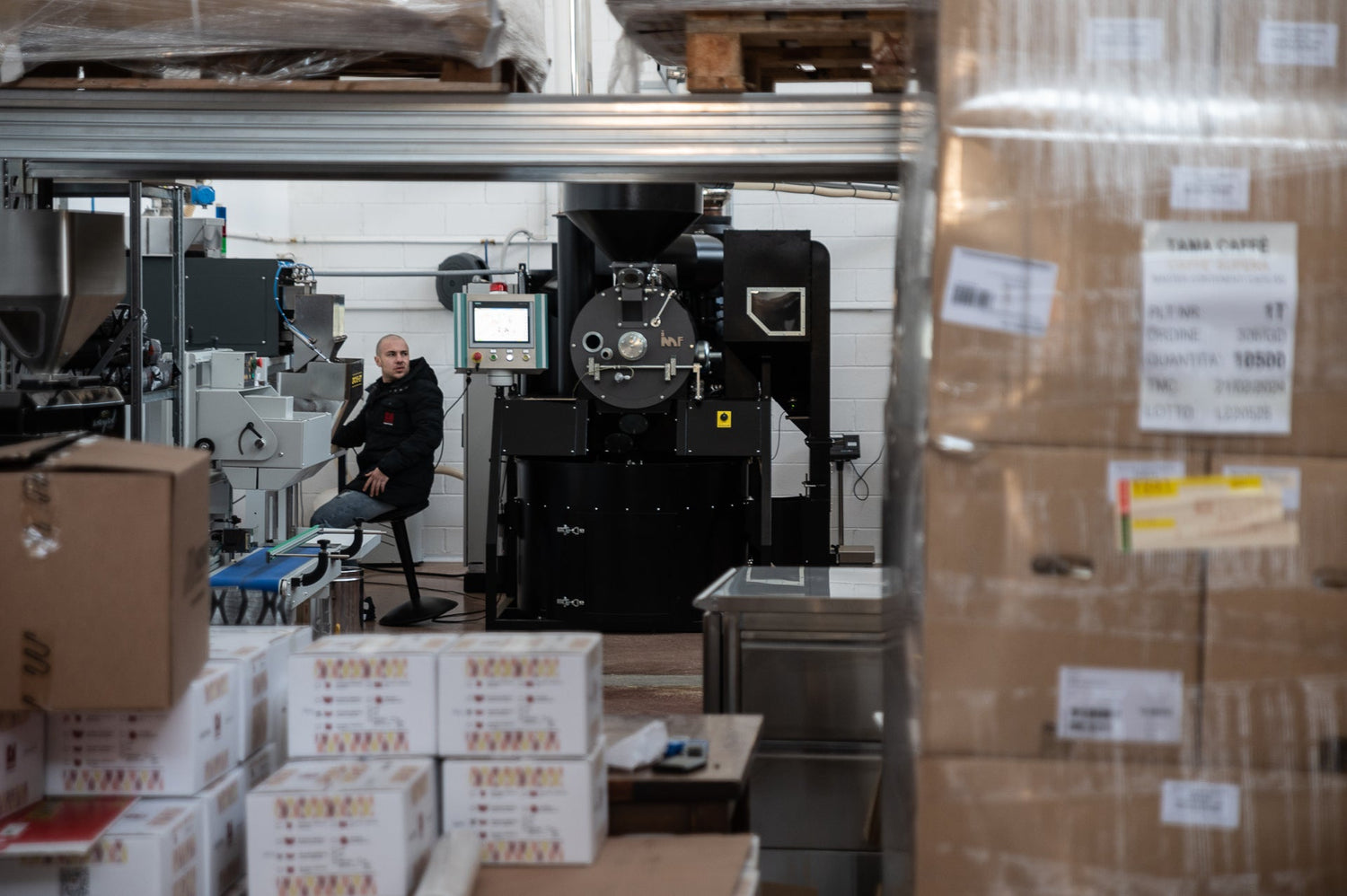
There are different types of roasters (and obviously different ways of behaving), but in any case, monitoring and manipulating temperature, airflow, and drum rotation are key to heat transfer to the bean and to optimizing the roasting profile of each coffee, which is then tasted in the cupping phase, noting any small adjustments for the production of the next batch.
Blending

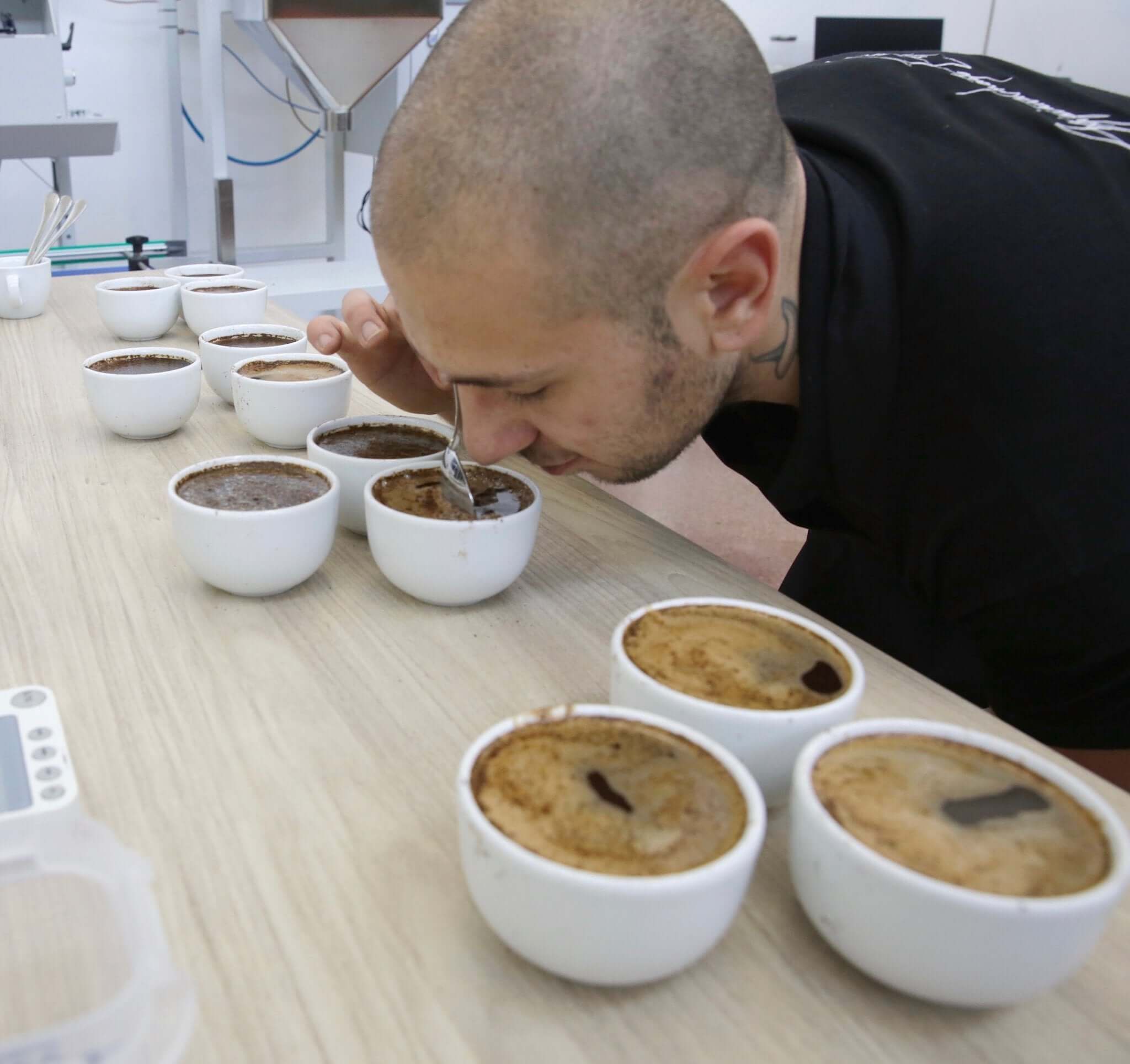
Only after tasting (cupping phase) does blending begin, already sought after by the artisan roaster to achieve the desired taste. This happens "cold" and is a fundamental and indispensable point in artisan roasteries. It follows that this involves an expenditure of energy that would be saved by roasting together, but at the same time sacrificing the full development of the characteristics of each coffee. Imagine cooking chicken and potatoes together: you would certainly get a "decent" result, but in no way as perfect as if they were cooked separately and only then plated together.
Last but not least, some degassing is good, especially if the product is intended for espresso, but artisan coffee is always sold fresh, being roasted only for the necessary consumption, within and no later than one month, after which the aromatic complexity and crema texture diminish, inevitably making the product "less interesting!"
Happy coffee to everyone!