
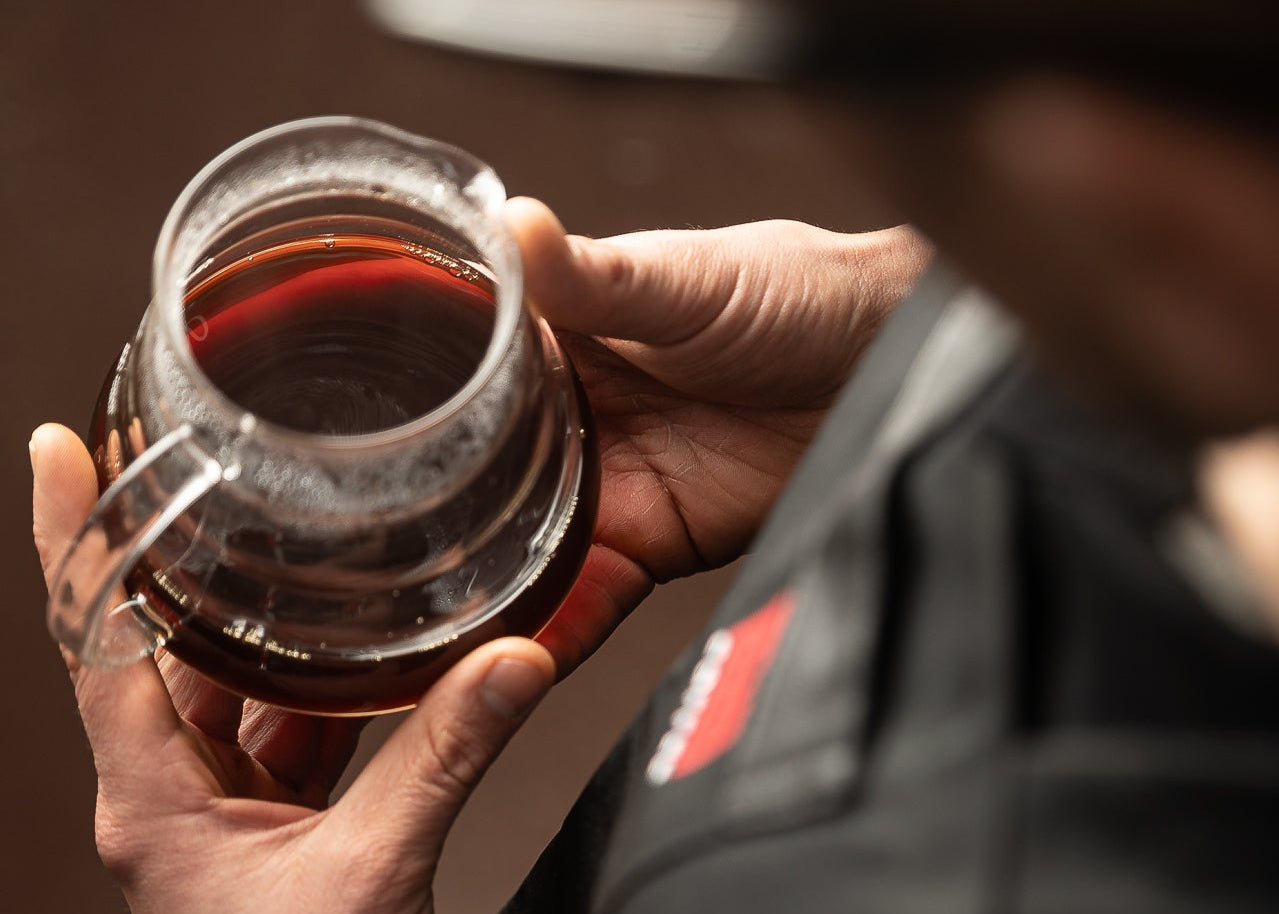
The Ordinary Becomes Extraordinary
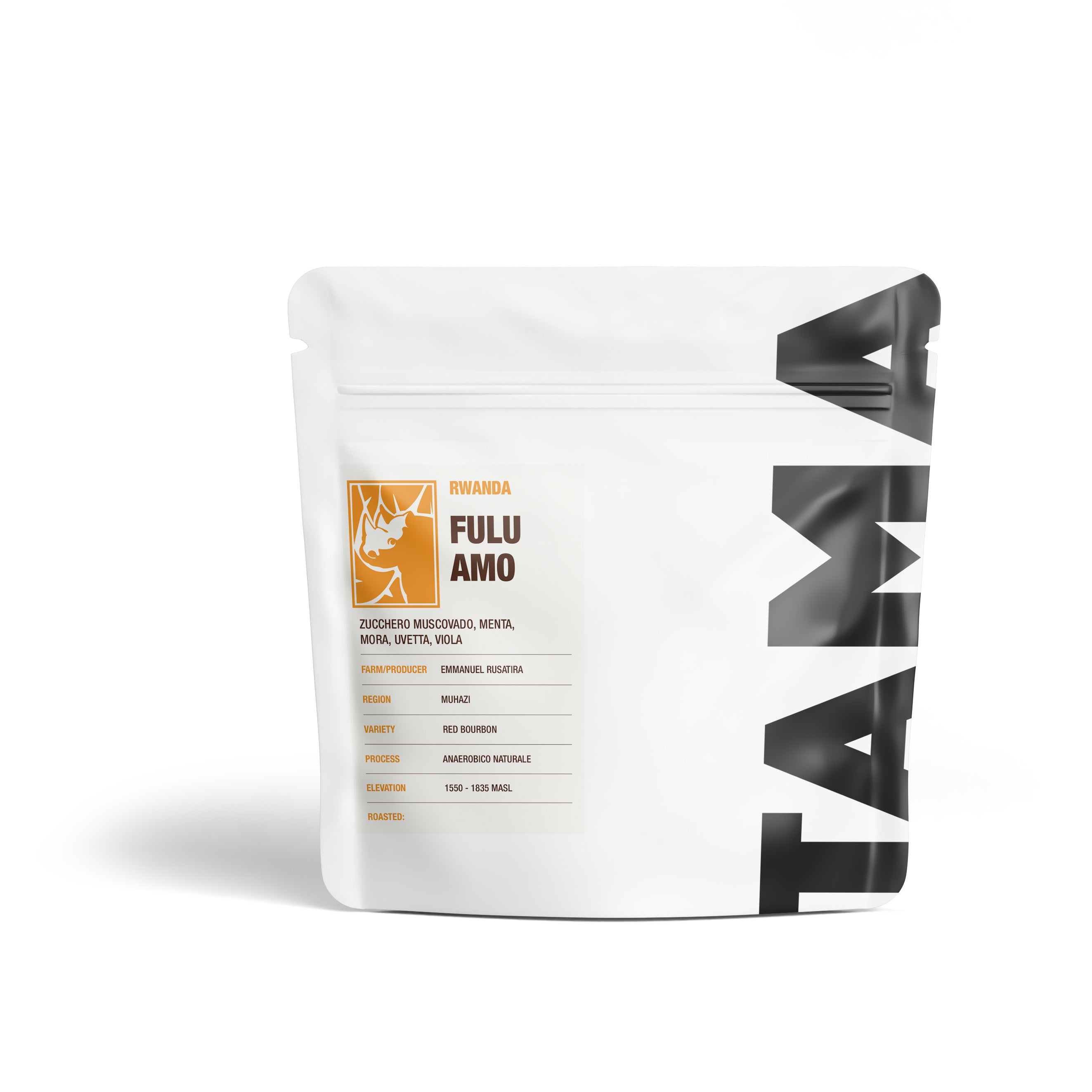
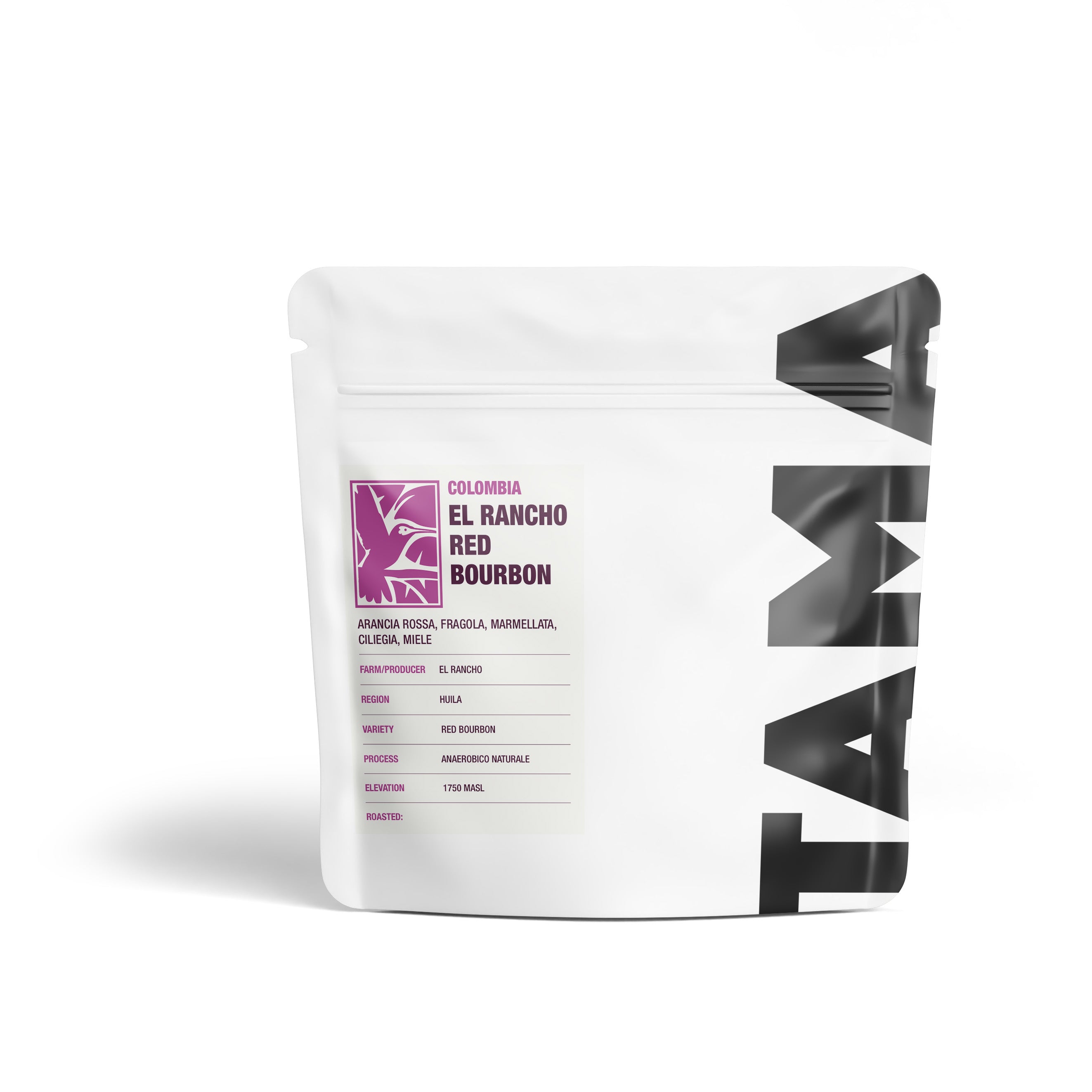
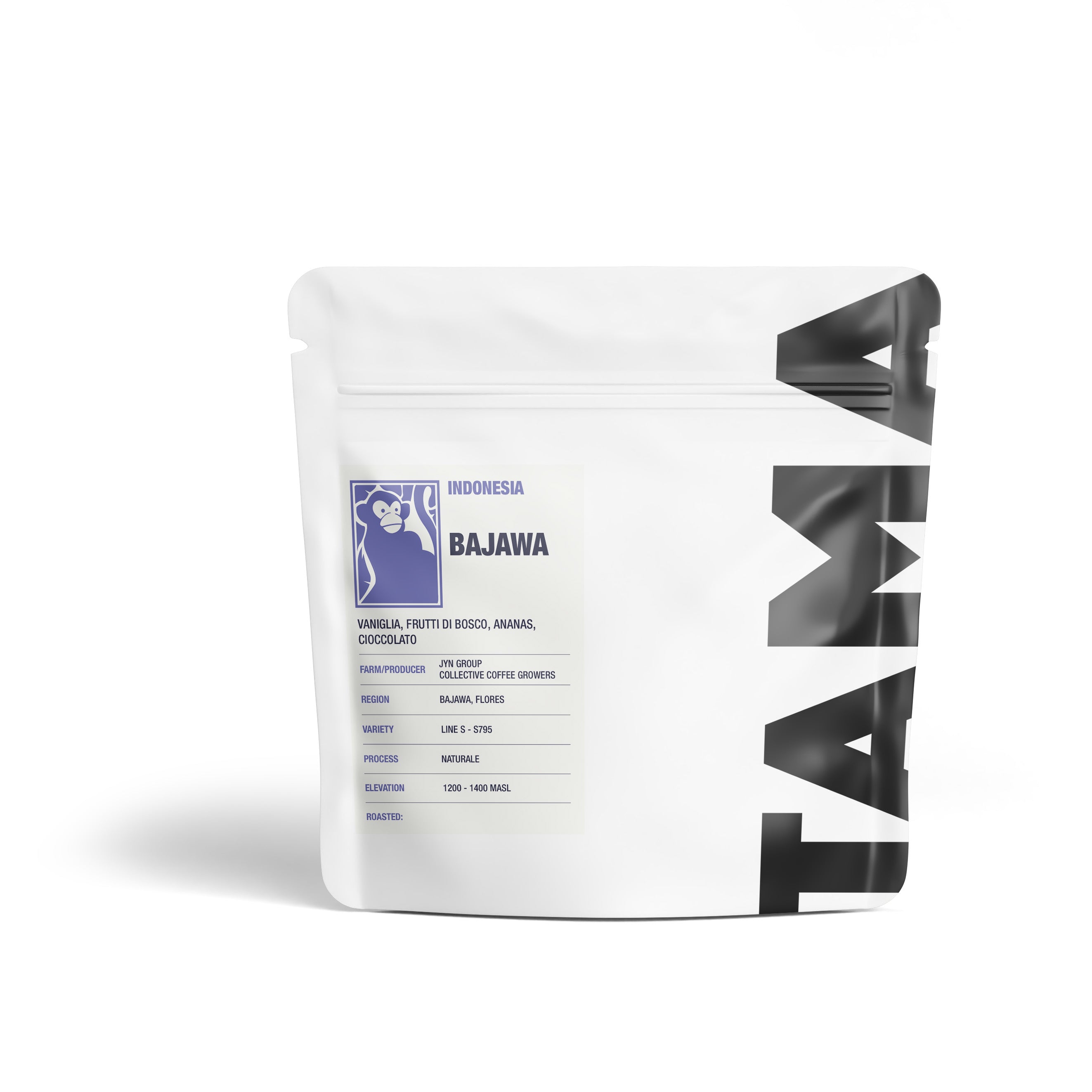
When we choose a specialty coffee, we look for a precise aromatic profile and a quality truly worth showcasing in the cup: a fresh, traceable coffee roasted to best express its unique characteristics.
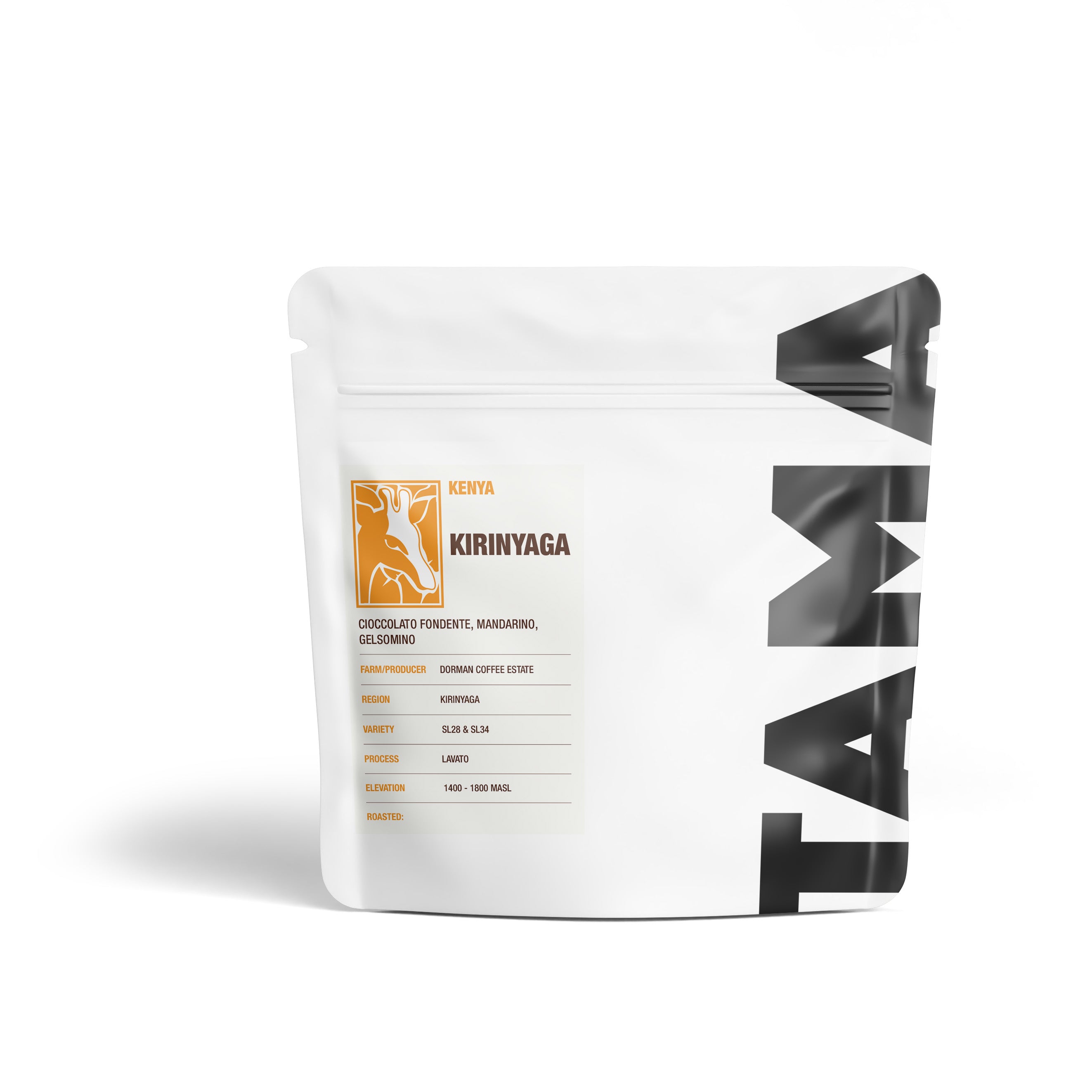
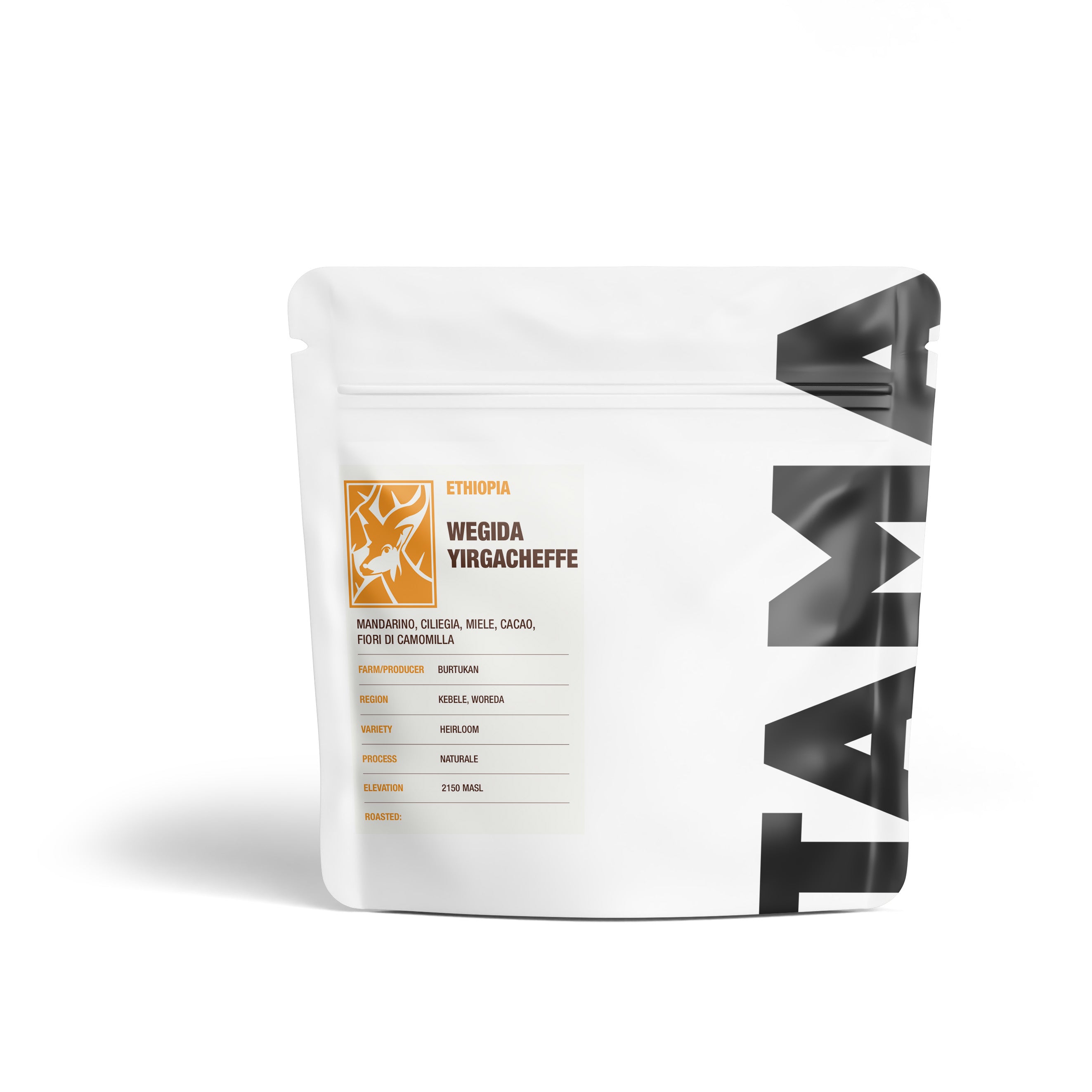
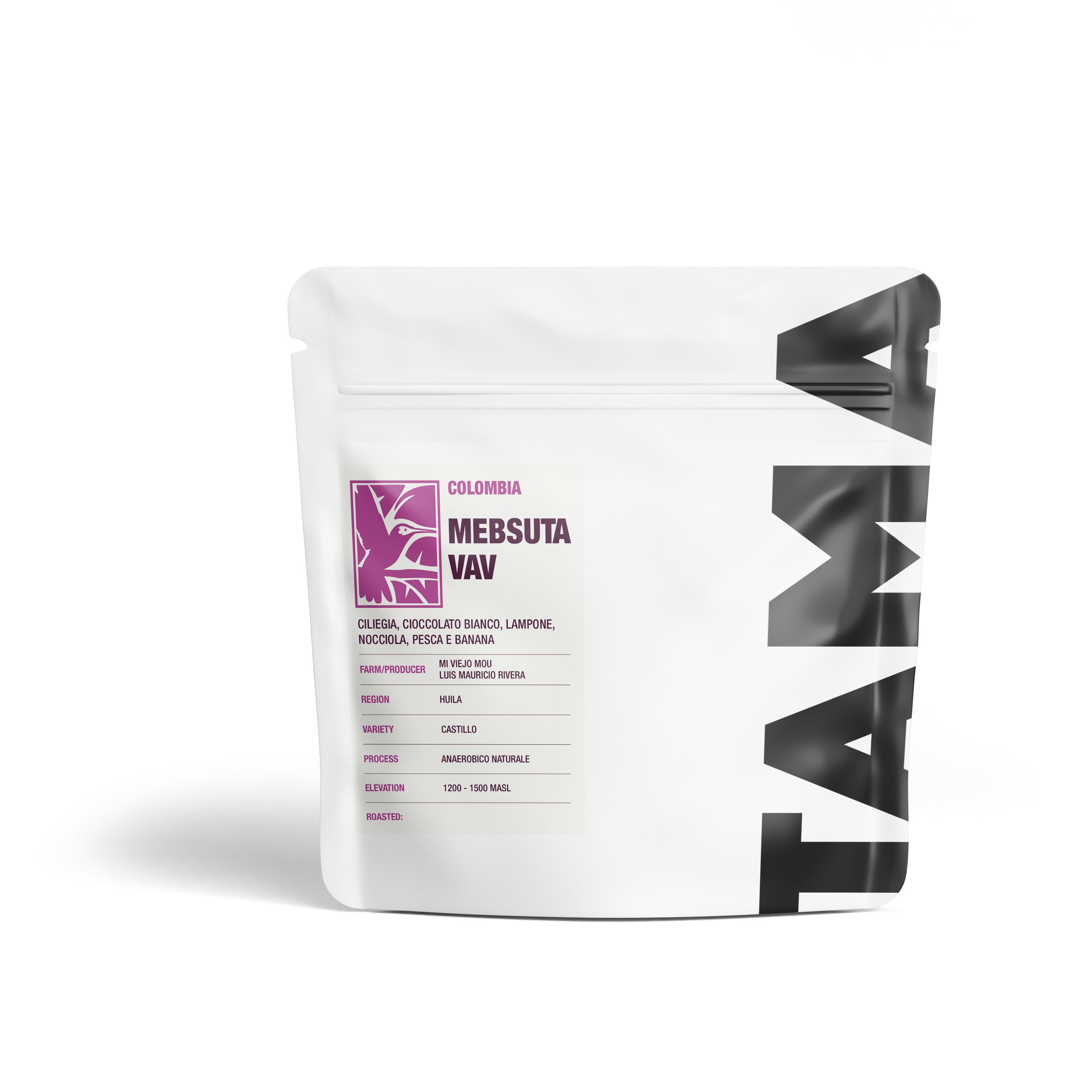
How to best enjoy them
To get the most out of a Specialty, just a few things need to be done right:

Freshness
We roast a few single origins at a time to ensure a consistently fresh product. Consume within 3-4 months from the roast date indicated on the front of the label. Always close the bag with the zipper and consume all contents within 4-6 weeks.

Grinding
We always recommend purchasing whole beans to grind on demand, when possible, for better product preservation and a better in-cup yield.

Water
For ideal preparation, we recommend natural mineral water with a total dissolved solids (TDS) content of approximately 75 – 250 mg/L (ideal value ~150 mg/L).
Practical guide
Extraction methods
Espresso
The ideal extraction starts with 18g of ground coffee, to obtain 36g of coffee in the cup in approximately 25–32 seconds. The ideal machine temperature is 92–94°C.
If the acidity is very pronounced and the sweetness is low, try grinding slightly finer or extending the extraction time (for example, aiming for 38–40g in the cup). If, however, it becomes bitter/astringent, we recommend doing the opposite: a coarser grind or a lower yield. Each coffee behaves differently, so it's normal to "experiment" with the parameters: small changes, one step at a time. And if you change coffee, consider it normal to have to adjust something.
Moka
With a moka pot, specialty coffee comes out well when you avoid overheating the extraction. Start by pouring hot water into the reservoir (up to just below the valve), fill the filter with coffee without pressing, and use a medium-fine grind (not as fine as for espresso). Keep the heat low and constant and, as soon as the flow becomes clear and you hear the classic "gurgle," turn it off and cool the base under cold water to stop the extraction: this is the simplest way to avoid bitterness and burnt notes.
If the moka coffee is too intense or bitter, lower the flame even more or grind slightly coarser; if it is thin and not very aromatic, try a slightly finer grind or slightly increase the dose in the filter (always without pressing). As with any method, each origin reacts differently: make small adjustments until you achieve your preferred result.
Aeropress
For filter coffee made in a machine, you can start with a simple and reliable ratio: 60g of coffee per 1 liter of water (for a single cup, 15g per 250g works perfectly), using a medium grind (slightly coarser than for V60). If you're using a paper filter, always rinse it first to remove the "papery" taste and improve cleanliness in the cup.
If the result is flat or lacks aroma, the cause is often not the coffee but the machine's temperature: in that case, try slightly increasing the dose or grinding a little finer. If, however, the result is a cup that is too intense and dry, do the opposite: grind a bit coarser or use a smaller dose.
V60 - Pour Over
A good starting point for V60 is 15g of coffee per 250g of water (about 1:16–1:17), with a temperature between 93 and 96°C and a total extraction time of around 2:45–3:30. Use a medium-fine grind (like table salt) and try to be consistent in your pouring:
- Rinse the filter with hot water,
- Add the coffee, perform a generous pre-infusion (about 30–45 seconds)
- Pour all the water in 2–3 stages until the final weight with a steady flow.
If the cup is too bright and not sweet enough, try grinding slightly finer or raising the temperature by one degree; if it becomes heavy or bitter, try a slightly coarser grind or lower the water temperature by 1–2°C. For small adjustments, we recommend changing only one parameter at a time.
The ideal extraction starts with 18g of ground coffee, to obtain 36g of coffee in the cup in approximately 25–32 seconds. The ideal machine temperature is 92–94°C.
If the acidity is very pronounced and the sweetness is low, try grinding slightly finer or extending the extraction time (for example, aiming for 38–40g in the cup). If, however, it becomes bitter/astringent, we recommend doing the opposite: a coarser grind or a lower yield. Each coffee behaves differently, so it's normal to "experiment" with the parameters: small changes, one step at a time. And if you change coffee, consider it normal to have to adjust something.
With a moka pot, specialty coffee comes out well when you avoid overheating the extraction. Start by pouring hot water into the reservoir (up to just below the valve), fill the filter with coffee without pressing, and use a medium-fine grind (not as fine as for espresso). Keep the heat low and constant and, as soon as the flow becomes clear and you hear the classic "gurgle," turn it off and cool the base under cold water to stop the extraction: this is the simplest way to avoid bitterness and burnt notes.
If the moka coffee is too intense or bitter, lower the flame even more or grind slightly coarser; if it is thin and not very aromatic, try a slightly finer grind or slightly increase the dose in the filter (always without pressing). As with any method, each origin reacts differently: make small adjustments until you achieve your preferred result.
For filter coffee made in a machine, you can start with a simple and reliable ratio: 60g of coffee per 1 liter of water (for a single cup, 15g per 250g works perfectly), using a medium grind (slightly coarser than for V60). If you're using a paper filter, always rinse it first to remove the "papery" taste and improve cleanliness in the cup.
If the result is flat or lacks aroma, the cause is often not the coffee but the machine's temperature: in that case, try slightly increasing the dose or grinding a little finer. If, however, the result is a cup that is too intense and dry, do the opposite: grind a bit coarser or use a smaller dose.
A good starting point for V60 is 15g of coffee per 250g of water (about 1:16–1:17), with a temperature between 93 and 96°C and a total extraction time of around 2:45–3:30. Use a medium-fine grind (like table salt) and try to be consistent in your pouring:
- Rinse the filter with hot water,
- Add the coffee, perform a generous pre-infusion (about 30–45 seconds)
- Pour all the water in 2–3 stages until the final weight with a steady flow.
If the cup is too bright and not sweet enough, try grinding slightly finer or raising the temperature by one degree; if it becomes heavy or bitter, try a slightly coarser grind or lower the water temperature by 1–2°C. For small adjustments, we recommend changing only one parameter at a time.
How to read the cup
To make good coffee, nothing is left to chance. Every cup is born from the combination of what we've done at the roastery and what you'll do during extraction.
If you're not satisfied with something, we recommend making one small adjustment at a time, rather than changing everything at once.
Acidity too lively, pungent, and a bit tart
Try a finer grind, slightly hotter water, and a slightly longer extraction. Acidity in specialty coffee is a quality; it should be juicy, not harsh
Pervasive, astringent bitterness
Try a coarser grind, slightly lower temperature, and a slightly shorter extraction. A well-extracted specialty coffee is never unpleasantly bitter
Flat cup with dull aromas and light body
You can try with a finer grind, increasing the dose (or reducing the water) or changing the water. Choose a medium mineral residue (ideal value ~150 mg/L).
The cup seems unbalanced, the flavors don't meld
There might be many errors occurring at once (grind, water, turbulence, temperature). Try starting over with the basic recipe, making only one change at a time.

How to store our coffees
- Keep the bag closed with the clip
- Store in a cool, dry, and dark place
- Avoid jars with residual odors, especially transparent ones
- Refrigeration is not necessary (unless you want to freeze pre-weighed portions)

For us, sustainability means being able to trace the origin and choose coffees that come from careful practices and responsible supply chains. We select green coffees from small farms in suitable areas, where care, harvesting, and processing make a difference to the final quality. In our procurement method, we recognize fair compensation regardless of market prices. In practice, we do not follow commodity logic; we evaluate coffee based on its real value, quality, and work at origin, building relationships based on trust and continuous feedback along the supply chain. This is how we guarantee traceability, quality, and a more transparent, more conscious, and better coffee.