Why do we grind coffee?
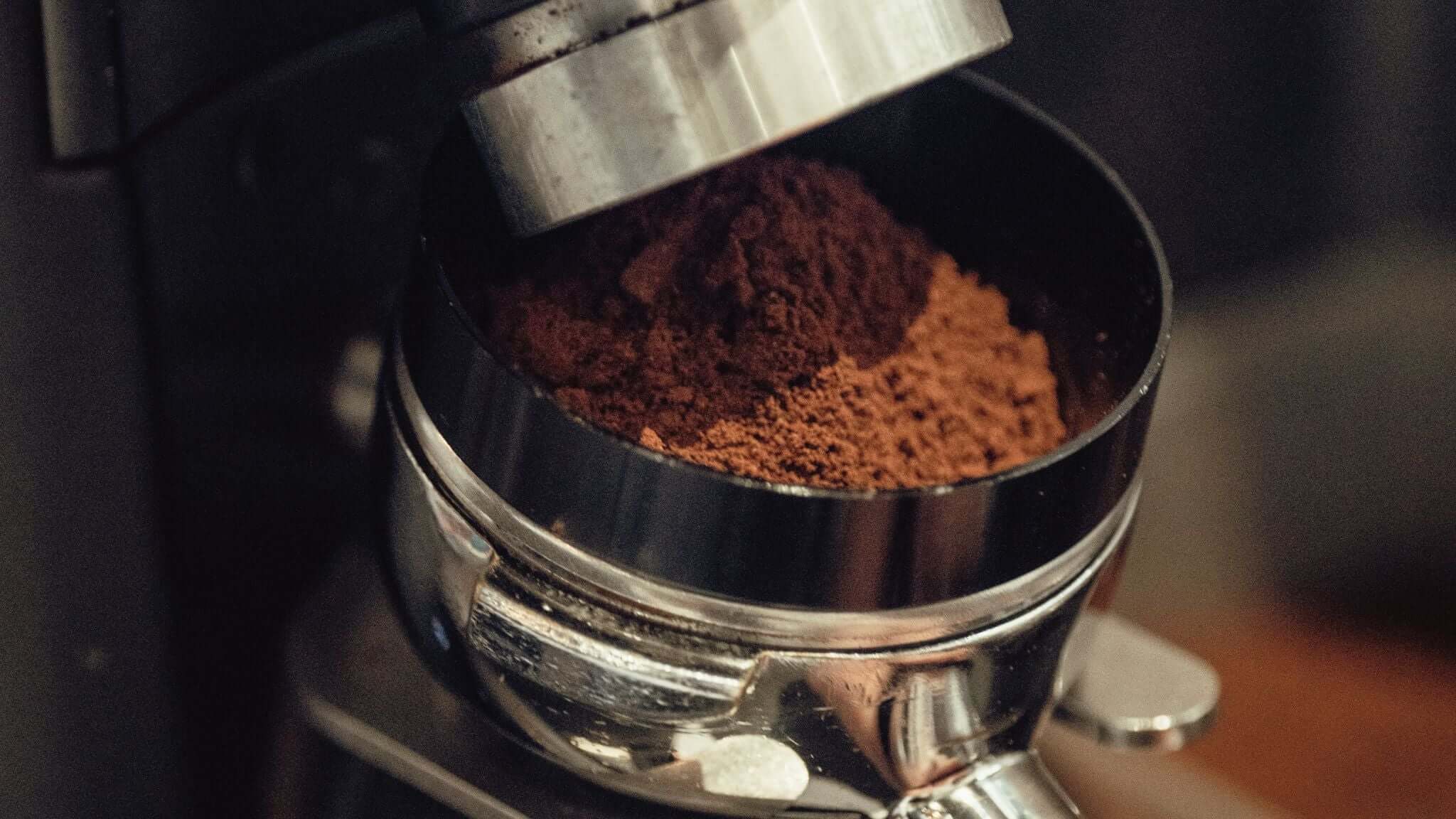
The aromatic substances developed during roasting (specifically through the Maillard reaction) remain trapped in the bean's structure, and only by grinding it can we release them and bring them into our coffee cup.
The coffee grinder is the tool that allows us to transform beans into coffee powder at the desired moment, increasing the contact surface with hot water.
What is a Grinder-Dosimeter made of?
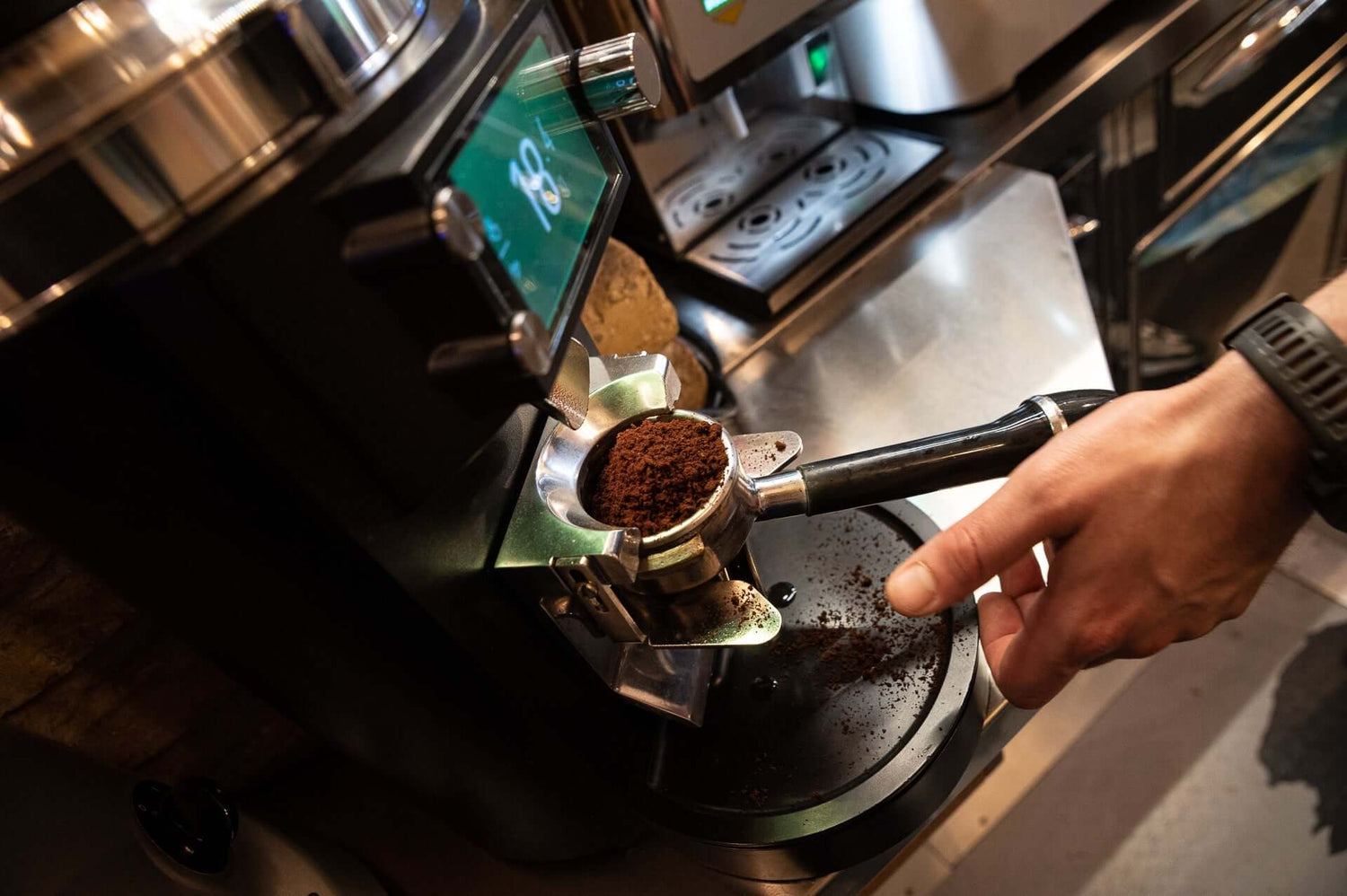
Grinder-dosers (although now superseded by On-Demand grinders) are still the most widely used and consist of a hopper (or bell), burrs, and a doser.
The coffee beans are poured into the hopper, which channels them towards the burr set. The burrs, usually made of hardened steel, can be flat or conical in shape and, rotating at high speed, crush the beans, which then fall into the doser. The bottom part of the doser features a star divided into compartments of equal size, and with each lever pull, it dispenses the desired quantity. (For proper functioning, the doser must be filled until all parts of its star are covered.) Each coffee grinder has the ability to adjust the size of the star's compartments to increase or decrease the dose dispensed into the filter (grammage).
Obviously, we advise against doses less than 7/8 grams of coffee.
How to adjust the grind
The grind must be adjusted according to the type of bean fiber and environmental humidity. Below the hopper there is a threaded ring nut with embossed numbers (or there are two settings, FINE and COARSE). Moving it towards the larger number increases the distance between the burrs, and vice versa, it reduces it.
How to tell if we have set a correct grind (granulometry)
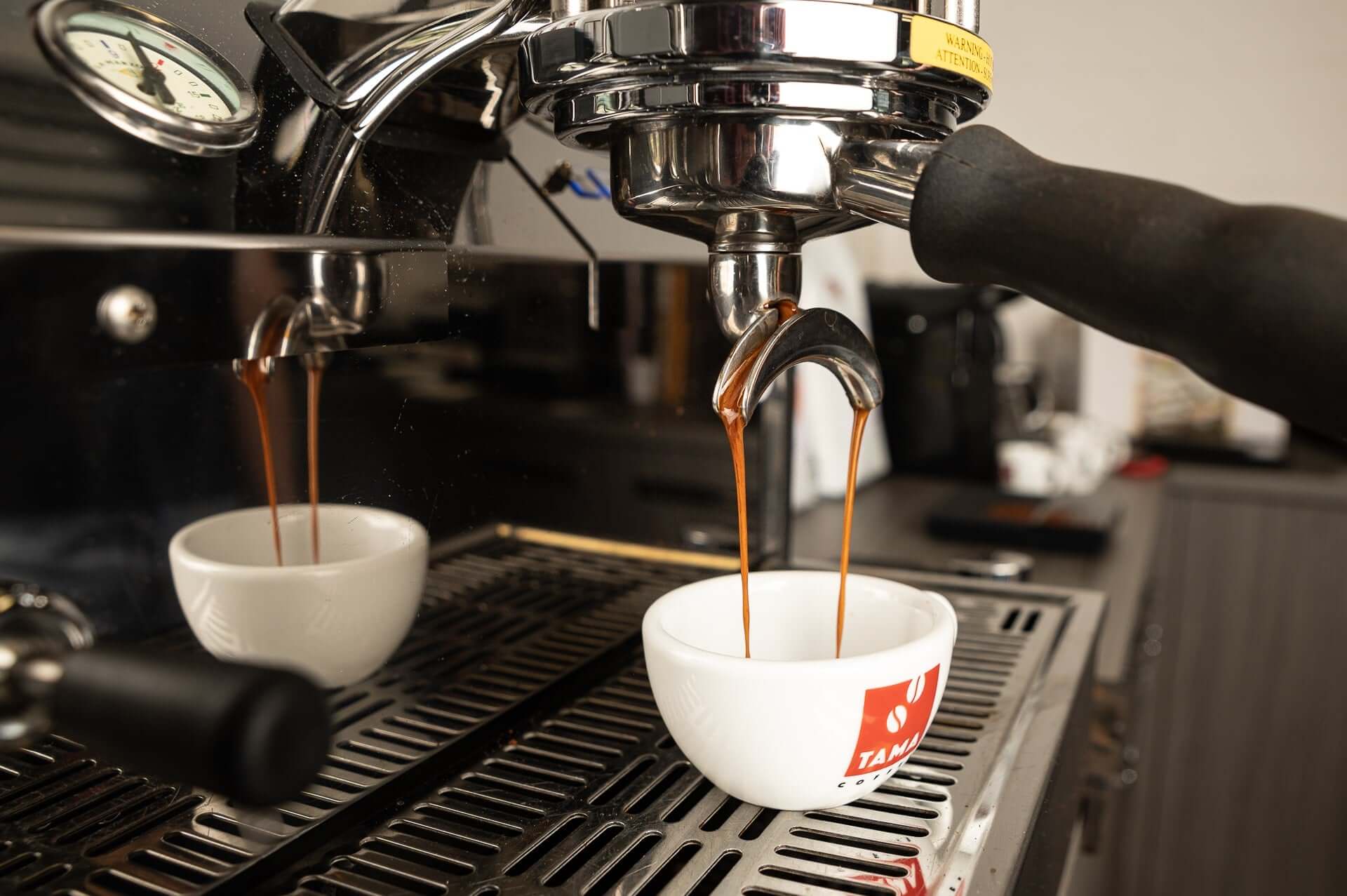
A correct brew ratio (ratio between the weight of ground coffee and the weight of the beverage obtained in the cup) allows for espresso extraction in 25/30 seconds. If the coffee powder is too coarse, the water flow will run too quickly, and the espresso will be underextracted; body and aroma will be very low. Conversely, if the powder is too fine, the coffee will drip slowly, resulting in an overextracted coffee. In this case, the water will extract undesirable substances, and our espresso will have bitter notes and astringent sensations.